
About Udhauli.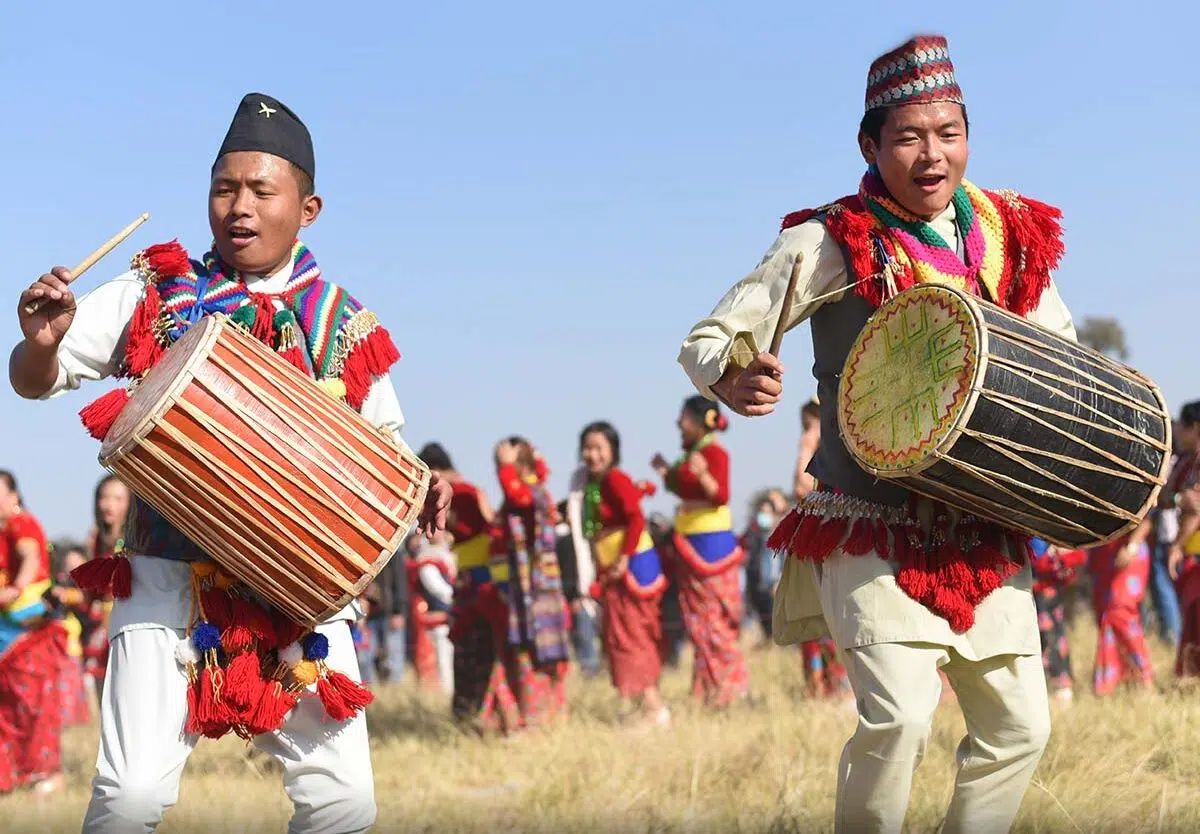
Udhauli Parva is an significant traditional and indigenous cultural festival of the Kirat Community which refers to Rai, Limbu, Sunuwar and Yakkha communities. It is celebrated as a tribute to Mother Earth and signifies the downward migration of people and livestock from high hills to lower regions during the winter season. The term “Udhauli” itself refers to downward movement. Udhauli is celebrated on the full moon day of Mangsir. It is mainly celebrated for expressing gratitude to nature, ancestors and god/goddess for a successful agricultural harvest and protection throughout the year. This parva symbolizes the harmony between humans and natural environmental components through different traditional rituals and dances. Sakela dance also known as Chandi Dance, is done on this day. Sakela Dance is usually performed in circles with drumbeats in rhythm and symbolic movements of the Kirat community which reflect farming, hunting, harmony with nature and social unity. Udhauli is celebrated on a large communal scale in village centers and Sakela ground.
Where is Udhauli observed?
Udhauli is especially celebrated in Eastern hilly regions and districts of Koshi province of Nepal, particularly in the districts such as Bhojpur, Khotang, Okhaldhunga, Dhankuta and Taplejung where Kirat communities are highly populated. People in these regions celebrate through traditional rituals, Sakela dances and community gatherings at a common place for all. People in major urban areas like Kathmandu, Dharan, Itahari and Biratnagar, various organizations and associations related to the Kirat community host public cultural programs to bring people together from different Kirat peoples to celebrate collectively. These steps help for the preservation and promotion of Kirat culture among the people of different ethnicities.
Not only inside the country, but the celebration for Udhauli Parva goes beyond the borders. Udhauli is celebrated by different diaspora communities living abroad, especially in places like India( Sikkim, Darjeeling, Assam), UK, USA, Australia, Hongkong etc., through different cultural programs to preserve the culture and tradition. The government of Nepal gives a public holiday on the occasion of Udhauli Parva, where approximately 1.2 million Kirat people are present. Udhauli celebration is done every year with the engagement of different communities following the rituals, temple worship, Sakela Dance and public gatherings across the country.
Historical significance of Udhauli.
Udhauli Parva originated among the ancient Kirat civilization of eastern Nepal, where ancestors established nature-based rituals honoring the environmental components, agriculture and signifying human migration. It was originally celebrated in specific forest spaces and village grounds.But in recent days in urban areas, it has evolved into large communal gatherings and celebrations. However, in the eastern hilly regions, core rituals are still in practice such as offerings, ancestral worships, Sakela dance and many more, preserving and promoting the traditional rituals and identities. People also worship Yalambar, who is known as the first king of the Kirat community and a historical foundation for the Kirat culture on this day.
How is it celebrated?
On this day, Kirat people chant orally with the prayers and folk songs of the Kirat language such as Bantawa, Chamling, Kulung, Limbu and Sunuwar which are created with the significance of Udhauli parva. Musical instruments like Dhol, Jhyamta and Jhyali are used while performing Sakela dance. People wear the traditional Kirat dress during this parva. They put on patterned costumes, silver ornaments and different head gears like Paga and Tangrima signifying their indigenous groups. This also shows the different art and performance of the Kirat community to everyone.
Rituals and Ceremonies during Udhauli.
Udhauli is practised with several rituals and ceremonies. Early in the morning, Elder and traditional priests (Mangpa/Nakchhong) purify the ritual space( Sakela Than) with water, fire and incense. Different offerings of grains, flowers, water and homemade liquor are prepared. Invocation of Sakela and ancestral spirits begins with the chants from Mundhum. Mundhum is the ancient religious scripture and folk literature of the Kirat community containing creation myths, history, philosophy and rituals for daily life, festivals, and ceremonies, which stands itself as a foundation of Kirati culture.
Similarly, during the afternoon, Sakela dance is performed in a large circular formation led by priests and elders. People dance with symbolic gestures of farming, hunting, sowing, harvesting and seasonal migration. Community prayers for health, good harvests and protection are done. Large communal gatherings are done in various places to strengthen social unity among the people.
Moving forward, In the evening, Final offerings and thanksgiving prayers are performed. Blessings are taken from elders by the children and youths. Worship is conducted to environmental components like sun, stone, soil, etc. at Sakela Than. The traditional foods like Dhido, Kinema, Local grains and meat dishes are made on this day. People share their celebrations through different photos and videos on social media, which promotes and preserves their cultural identity.
Significance and Importance
Udhauli Parva shows the Kirati culture to different people. It preserves and promotes the cultural and ethnic identity of their indigenous group. It promotes cultural tourism for the unique cultural practice. It also promotes traditional clothing, ornaments, musical instruments and local foods.
It symbolizes the relationship between human and environmental components. It also shows tribute to the ancestors and the continuation of ethnicity. It brings people of all ages together for celebration which helps to maintain strong community bonding. It helps to educate the younger generations about the culture and tradition.
Quick Reference Card
Udhauli Parva